Hiring a Search Engine Optimization Agency feels straightforward until you live through a bad one. I still remember a regional retailer that came to us after burning six months and most of their quarterly budget with an SEO Company that promised “page-one rankings in 60 days.” They got rankings, all right, for obscure phrases nobody typed. Traffic rose, revenue didn’t, and the board pulled the plug. Their mistake wasn’t trusting SEO. It was not asking the right questions before signing.
The right questions expose how an agency thinks, how they work under pressure, and whether they understand your business model beyond keywords and audits. Below is a practical set of questions, with the why behind each and what a strong answer looks like. Use it to separate a capable Search Engine Optimization Company from a vendor that just recites best practices.
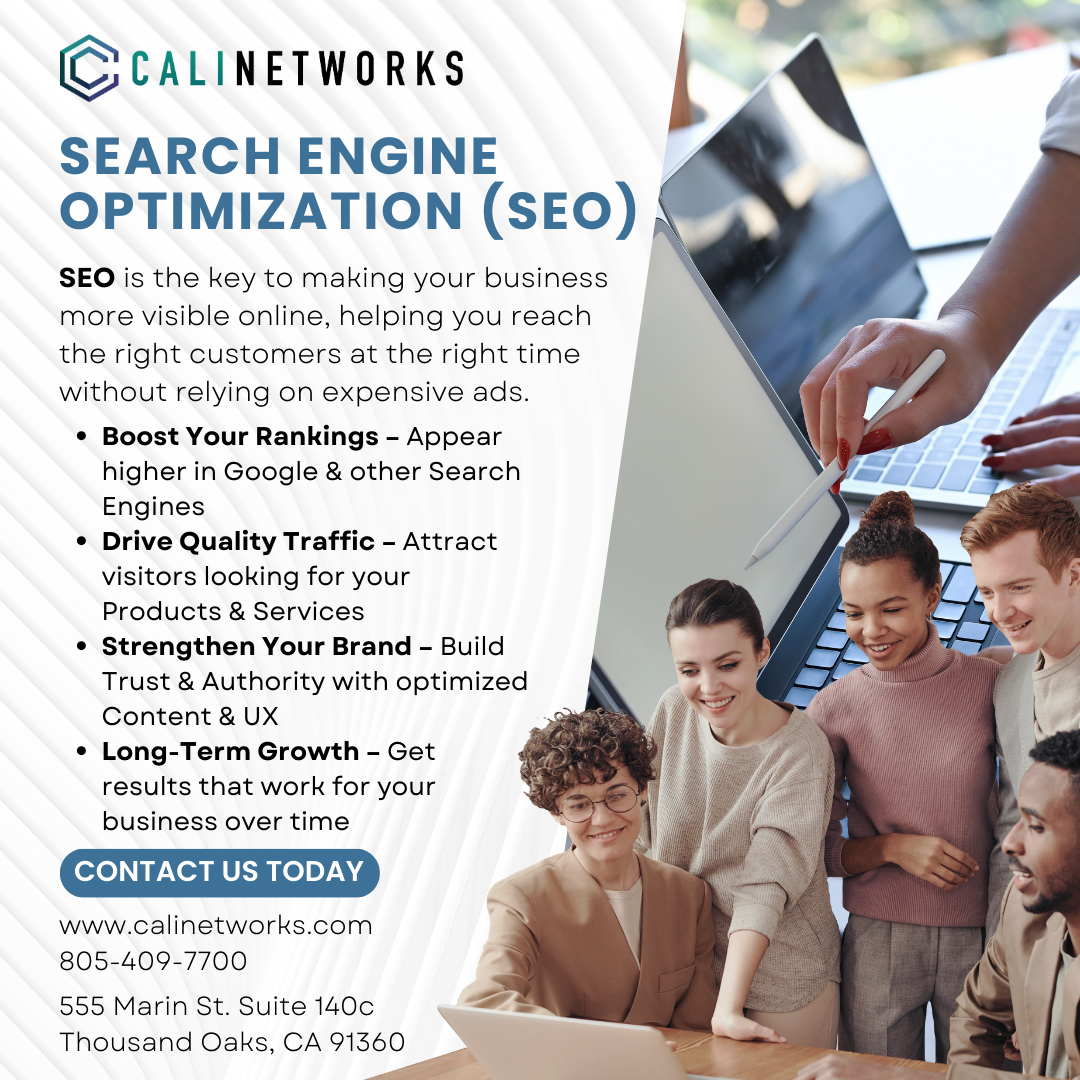
Start with the business, not the algorithm
An SEO Agency that can’t talk about your gross margins, acquisition costs, and sales cycle won’t move the numbers that matter. One manufacturing client once asked five agencies for proposals. Four returned keyword lists. One asked for bill-of-materials costs and average time-to-quote, then tailored a strategy to capture early-stage engineering queries that signaled projects six months out. That agency won, and three quarters later, so did the client.
Ask: How will you translate our business model into an SEO strategy?
A precise answer links search intent to your buyer journey. For example, a B2B software firm with a 90-day sales cycle needs content that earns consideration, not just bottom-of-funnel pages. A DTC brand with tight margins might prioritize organic over paid to relieve CAC pressure. Look for a plan that maps queries to funnel stages and revenue potential, not just search volume.
Certainty is a red flag
Search Engine Optimization is influenced by hundreds of signals, many opaque. Guarantees of page-one rankings usually signal shortcuts or misaligned metrics. Once, I reviewed a “guarantee” that promised top-three ranks for “best solutions for agile resource orchestration.” Pretty phrase, zero searchers.
Ask: What can you responsibly project, and what can’t you?
A credible SEO Company will forecast ranges with assumptions. For example: If we publish four optimized guides per month and secure 8 to 12 relevant links per quarter, we expect organic sessions to grow 20 to 35 percent in six to nine months, with conversion rates holding at historical baselines unless we revamp UX. They should also state what they cannot promise, like exact ranking positions or timing after an algorithm update.
Show, don’t tell: evidence of impact
Portfolios look neat, but anecdotes carry more weight when they include constraints. A retail client that doubled organic revenue during a supply chain crunch tells you more than a generic growth curve.
Ask: Can you share two to three case studies that mirror our situation, including baseline, constraints, and the lag between actions and results?
Look for specificity. Numbers matter: ranking growth tied to revenue, lead quality shifts after pruning thin content, conversion rate changes after page-speed improvements. Scrutinize the time horizon. Sustainable SEO usually compounds over quarters, not weeks.
How they research intent and opportunity
Keyword research is table stakes. Opportunity analysis is the skill. I want to hear how an SEO Agency decides which terms earn investment and which belong in a content cluster for internal linking, not hero pages.
Ask: How do you evaluate which queries deserve new pages, which to fold into existing pages, and where we need supporting content?
Strong answers talk about intent classification, SERP anatomy, and cannibalization checks. Example approach: If top results are long-form guides from authoritative domains, a brand-new page likely needs supporting assets and links to compete. If results are mostly product pages, build a transactional page and only add an explainer if it helps conversions. They should mention methods like analyzing click distributions, People Also Ask questions, and the balance between head terms and long-tail phrases that indicate higher conversion intent.
Technical SEO without the mystique
The best technologists explain technical Search Engine Optimization in plain English and tie it to outcomes. They’ll talk about crawl efficiency the way operations people talk about throughput.
Ask: What technical issues do you prioritize in the first 60 days, and how do you quantify impact?
You want a thoughtful triage: index bloat reduction, canonicalization fixes, internal linking logic, site speed, structured data, and mobile rendering. Impact is framed with metrics like pages removed from the index to reduce noise, improvements in Largest Contentful Paint, or a change in crawl budget utilization for sites with thousands of URLs. On ecommerce, I expect detail on faceted navigation and duplicate content. On SaaS, I want to hear about documentation indexing and changelog hygiene.
Content that earns attention, not just ranks
Thin content cloaked in templates won’t survive. I once audited a blog with 300 articles that read like slightly rearranged Wikipedia entries. Traffic looked decent, but time on page and assisted conversions were anemic. After consolidating 300 into 120 robust pieces, traffic dipped for a month then climbed, and demo bookings rose 28 percent.
Ask: Who creates content, and how do you ensure it reflects subject-matter expertise?
Good agencies pair SEO strategists with writers who either have domain experience or conduct primary research. They’ll mention interviewing your SMEs, pulling customer service logs for real questions, and integrating product data. They should also describe a content review process, not just a writing pipeline. If they say they publish 50 articles a month for every client, press for quality controls and how they avoid cannibalization.
Links: strategy, ethics, and sustainability
Link acquisition can be the difference between page 2 and page 1, but approaches vary from sound to sketchy. If you hear paid guest posts on random blogs or sitewide links, proceed carefully.
Ask: How do you acquire links, and what’s your stance on risk?
A mature Search Engine Optimization Company will talk about digital PR, data studies, resource pages, and calculated outreach to contextually relevant sites. They’ll know the difference between domain authority as a directional metric and topical relevance that actually moves rankings. They’ll also show comfort saying no to risky tactics. If they use vendors, ask for transparency and vetting standards.
Local and multi-location realities
If you manage dozens of locations, local SEO is less about keywords and more about consistency and operations. One franchise I worked with had 20 percent of locations showing the wrong hours during holidays, which cratered local trust signals and reviews.
Ask: How do you manage listings, reviews, and local landing pages at scale?
Expect an answer covering centralized citation management, a process for updating hours and attributes, owner response guidelines, and localized content that is not boilerplate. They should describe how they handle duplicate listings, service-area business nuances, and spam-fighting tactics on map pack results.
Measurement that goes beyond rankings
Great measurement makes prioritization easier and protects budgets when algorithms shift. Early in an engagement, I like to see a dashboard with traffic by intent bucket, assisted conversions, and content lifecycle status.
Ask: What does reporting look like, and how do you tie SEO to revenue?
You want less vanity metrics and more business signals: organic contribution to pipeline, cohort analysis of leads by landing page, branded vs non-branded traffic split, and attribution context. If you run lead gen, ask how they guard against lead quality degradation. If ecommerce, ask how they segment by product category, new vs returning customers, and margin tiers.
Alignment with your team and tech stack
The most elegant plan fails if it cannot ship. I have seen beautiful audits collect dust because the client’s CMS locked templates and the agency never met the dev lead.
Ask: How will you work with our developers, designers, and content team, and what has to change in our process?
Look for an agency that speaks in tickets and sprints, not just recommendations. They should adapt to your CMS, whether that’s Shopify, WordPress, Webflow, or a custom platform, and understand its constraints. A helpful sign is when they ask for your deployment cadence and QA process before promising timelines. They should also name the tools they will use, from crawling and log-file analysis to analytics and dashboards, and explain how they will gain access.
Cost, scope, and the math behind both
Prices vary widely. A boutique SEO Agency might charge 6,000 to 15,000 dollars a month for mid-market work. Enterprise retainers can run 25,000 dollars or more. What matters is not the sticker price but what it buys and how value compounds.
Ask: What is in scope, what isn’t, and how will you prioritize within a fixed budget?
Press for specificity: number of pages they will ship per month, frequency of technical audits, link acquisition targets, and how they handle out-of-scope requests. Listen for how they sequence work. For example, a rational plan might fix critical technical issues in month one, publish foundational pages in months two and three, then layer outreach once the content can earn links. If they promise everything at once, expect thin execution.
Timeline and expectation setting
Organic growth rarely looks linear. It often follows a staircase pattern. You ship foundational pages, wait for indexing and initial link velocity, then see a lift. You will likely alternate between building, waiting, and refining.
Ask: What does the first 90, 180, and 365 days look like, and what milestones should we expect?
A healthy timeline describes deliverables and checkpoints. For instance, technical remediation completed by day 45, content calendar and first batch shipped by day 60, initial link assets live by day 75, and a performance review at day 120 with pivots based on early signals. They should be honest about ramp time and about the lag between action and outcome.
Risk management and algorithm updates
Every Search Engine Optimization Company faces the same reality: core updates can reshuffle rankings. The difference is how they diagnose and respond. One client of mine weathered a core update with minimal losses because we had diversified traffic across multiple content types and protected revenue with strong direct and email channels.
Ask: How do you monitor for updates, diagnose impact, and respond without flailing?
Look for a triage plan: isolate which sections moved, analyze intent shifts on key SERPs, compare winners and losers, and adjust content or internal linking accordingly. They should emphasize calm, data-driven iteration rather than wholesale rewrites in the first week after an update.
Governance, compliance, and brand safety
If you operate in regulated industries, brand safety matters more than ever. I have seen healthcare pages with claims that risked compliance, and finance blogs that invited regulatory scrutiny.
Ask: How do you ensure compliance with our legal and brand standards?
Expect a process: content guidelines, required disclaimers, SME review, legal approval steps, and version control. If the agency is unfamiliar with your regulatory environment, they should at least propose a framework to learn it fast and bake it into workflows.
International and multilingual complexity
Expanding beyond one market multiplies the moving parts. I have watched teams misconfigure hreflang tags and split authority across duplicate pages, then spend months unwinding the damage.
Ask: How do you handle international SEO, including hreflang, market-specific content, and link equity?
A good Search Engine Optimization Agency will discuss language versus locale, canonicalization strategy, and whether to use subfolders, subdomains, or ccTLDs given your resources and link profile. They’ll also address market-specific SERP differences and the need for native-language content, not just translation.
What tools they use, and why
Tools matter, but judgment matters more. I get wary when a pitch leans too hard on screenshots rather than interpretation.
Ask: Which tools are essential in your workflow, and how do they influence decisions instead of making them?
Healthy answers explain the role of crawlers, keyword databases, log-file analysis, and analytics. They should talk about how they reconcile conflicting data, and where they rely on human review. If they say “the tool said” as the end of a conversation, that’s a yellow flag.
Ownership of assets and portability
I have inherited projects where the previous SEO Company held logins hostage. That is not a partnership. You should own your analytics, tag manager, and any content or creative produced.
Ask: Who owns the content, data, and accounts created during our engagement?
The only acceptable answer is that you do. If they use proprietary systems, make sure you can export. Insist on shared ownership of search console access, analytics, and any third-party subscriptions you pay for.
Their philosophy on pruning, consolidation, and saying no
Growth sometimes requires deletion. Agencies that only add content can hurt you with cannibalization and index bloat. I once cut a blog by 40 percent and watched average ranking positions and conversions climb because the remaining pages finally had room and link equity to breathe.
Ask: When do you recommend removing or consolidating content, and how do you measure the impact?
Good agencies propose clear criteria: no impressions over six months, overlapping intent, low quality that is hard to fix. They will redirect thoughtfully, update internal links, and monitor traffic to avoid unintended losses.
Cultural fit and communication rhythm
You’ll spend months with your SEO Agency, often navigating uncertainty. Fit matters as much as capability. Notice who asks follow-ups during discovery, and who listens to your constraints.
Ask: How will we communicate, and who is accountable for results?
Look for a named account lead, not a rotating cast. Clarify meeting cadence, escalation paths, and how they document decisions. Ask for a sample of their reporting memo, not just dashboards, to see how they interpret data and recommend actions.
A reality check on pricing models
Retainers are common, project fees are useful for audits or migrations, and performance-based models can misalign incentives. One ecommerce brand paid a percentage of revenue lift, then discovered the agency had branded traffic inflating the baseline.
Ask: Why is your pricing structured this way, and how do we prevent misaligned incentives?
A thoughtful answer explains effort versus outcome, has clarity on scope, and offers clauses that let you adjust or pause if priorities shift. If performance components exist, they should tie to non-branded revenue or a carefully defined incremental lift, with mutually agreed baselines.
Migration and redesign competence
Site migrations and redesigns are where Search Engine Optimization either shines or bleeds. I have seen 30 percent traffic drops that took six months to recover, all because redirects and internal links were handled last.
Ask: What is your approach to SEO during a redesign or platform migration?
Expect a checklist mindset woven into dev sprints: URL mapping before dev freeze, staging crawl and parity checks, redirect testing, structured data carryover, and post-launch monitoring with rollback options for critical templates. If you have thousands of URLs, they should propose sampling strategies and log-file analysis.
Two short checklists to close the gap between talk and delivery
Use these quick checks during procurement and the first 60 days. Keep them tight and practical.
- Ask for a sample of a real deliverable: a content brief and a technical ticket. You will learn more from those artifacts than from a slide. Request a 30-minute call with the person who will actually manage your account. Assess chemistry and clarity. Push for a one-page plan for the first 90 days, with dated milestones. Ambiguity here becomes drift later. Verify who writes, who edits, and who does QA. Names, not roles, reduce hand-waving. Set a single success metric, then two supporting metrics. For example, non-branded organic revenue as the North Star, plus qualified leads and top-20 keyword footprint as leading indicators.
Reading the answers like a practitioner
The best Search Engine Optimization Agency answers anchor on trade-offs. If you hear absolutes, dig deeper. A few patterns to listen for:
- They prioritize high-intent opportunities even if volumes look modest, and they can explain why a term with 300 monthly searches might beat one with 3,000 for your revenue. They admit when content must be slow-cooked. If your subject demands original research or SME interviews, they reserve time for it. They see internal linking as a strategic tool, not an afterthought. I like to hear about topical hubs, link depth, and avoiding orphan pages. They frame technical improvements in plain business terms. Faster LCP becomes “reduced bounce on mobile product pages, which is likely to lift conversion by X percent.” They push back when needed. If you insist on a homepage that autoplays a heavy video, they will flag the trade-offs and propose alternatives.
When the agency is the wrong fit, even if they are competent
Sometimes you meet a very capable SEO Company that simply isn’t right for your stage. Early-stage startups with little content may need nimble experimentation and scrappy production speed. Enterprises may need governance, integrations, and patient change management. If the agency’s strengths pull the other way, say no. The cost of misfit is months, not just money.
A final note on patience and momentum
Organic search rewards consistency. Most durable gains I have seen came from a year of steady publishing, measurement, and iteration, with occasional sprints during product launches or seasonal windows. The Search Engine Optimization landscape shifts, but not as fast as the hype cycle implies. SEO Company An SEO Agency that sets expectations honestly, collaborates well with your team, and demonstrates judgment under uncertainty is worth keeping.
Use the questions above to get beyond the pitch. If you hear clear logic, grounded forecasts, and evidence of craft, Search Engine Optimization Company you’re close. If you hear quick fixes, boilerplate, or discomfort with your business reality, keep looking. The right partner won’t just chase rankings. They will help your brand earn attention that compounds, quarter after quarter.
CaliNetworks
555 Marin St Suite 140c
Thousand Oaks, CA 91360
(805) 409-7700
Website: https://www.calinetworks.com/